WHEN
Tuesday, 9 June 2026, 09:30-19:30h
Resilient Creative Futures are built together!
In Europe’s CCS, resilience is often seen as an individual responsibility: the ability of artists, workers and organisations to adapt, remain flexible and survive uncertainty. Creative FLIP takes a different view. Resilience does not exist in isolation. Resilience is systemic and collective: it is shaped by ecosystems, communities, support structures, policies and shared responsibility across the sector. Recognising that disruption is not exceptional but structural, Creative FLIP understands resilience not as “bouncing back” through short-term solutions, but as a forward-looking process of strengthening connections, capacities and conditions so the CCS can continually learn, adapt and evolve together.
Over the past 7,5 years, Creative FLIP has explored how resilience can be strengthened across levels: individual, organisational, sectoral and ecosystemic. Through research, pooling of information, policy work, peer learning, and experimentation, the project has helped imagine how the CCS can thrive in a rapidly changing world.
This final conference in Brussels brings these insights together, highlighting the importance of shared knowledge, fairer approaches to finances and working conditions, continuous learning opportunities and policies grounded in the realities of creative work.
This conference is also a heartfelt thank you to the community that shaped Creative FLIP.
Join us in Brussels to celebrate what we’ve achieved and to help shape creative futures together!
Check out the program and further information below.
Livestream
No registration is needed to watch the livestream
| 9:00-9:30 | Registration and Welcome coffee |
| 09:30-09:50 |
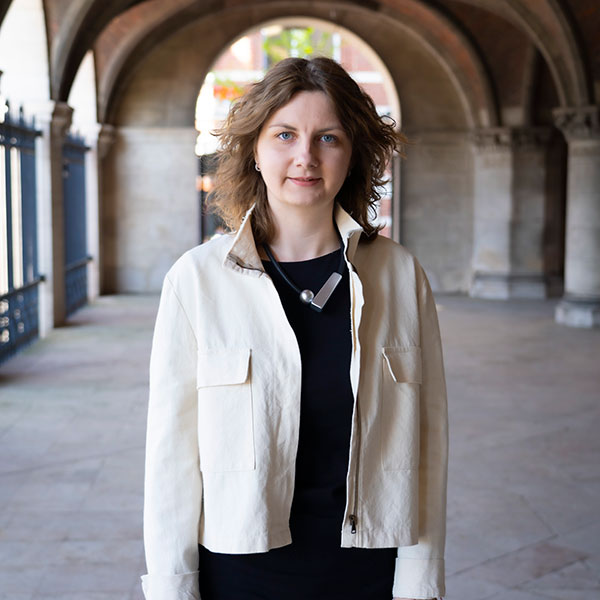
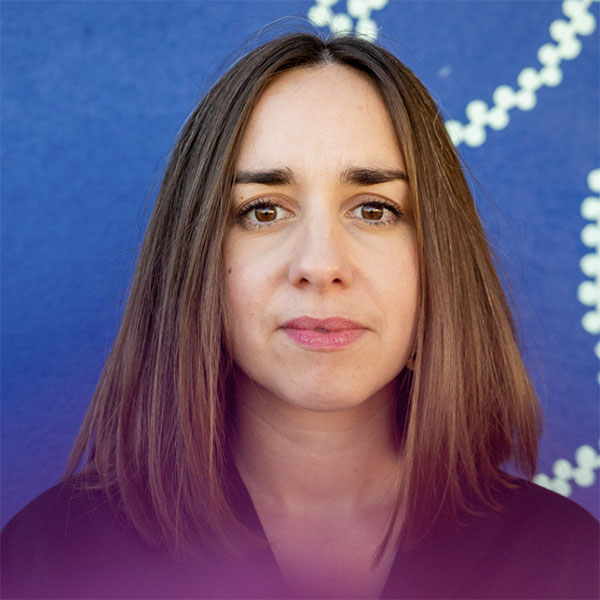
ARTISTIC INTERVENTION M.oving O.thers Livestreamed Cross-Sectoral Pioneers: Giovanni Sabelli Fioretti, Perypezye Urbane, Italy x Martyna Chojnacka, Creative Coder, Germany |
| 09:50-10:00 |
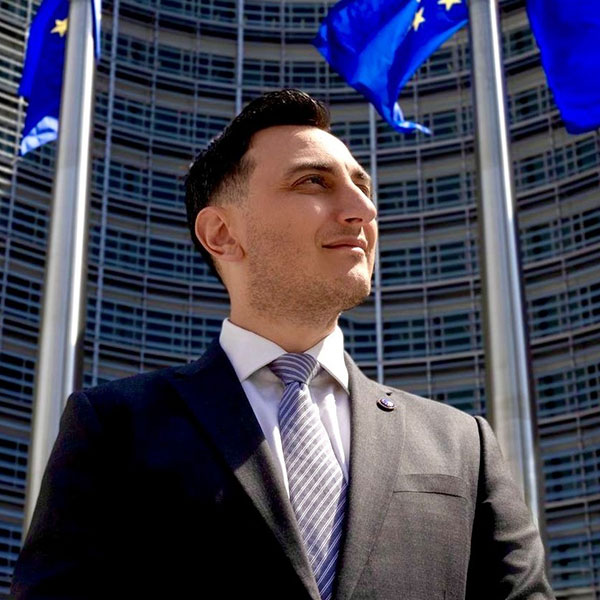
OPENING KEYNOTE by Commissioner Micallef Livestreamed Glenn Micallef, European Commissioner for Intergenerational Fairness, Youth, Culture and Sport |
| 10:00-10:15 |
WELCOMING WORDS Livestreamed
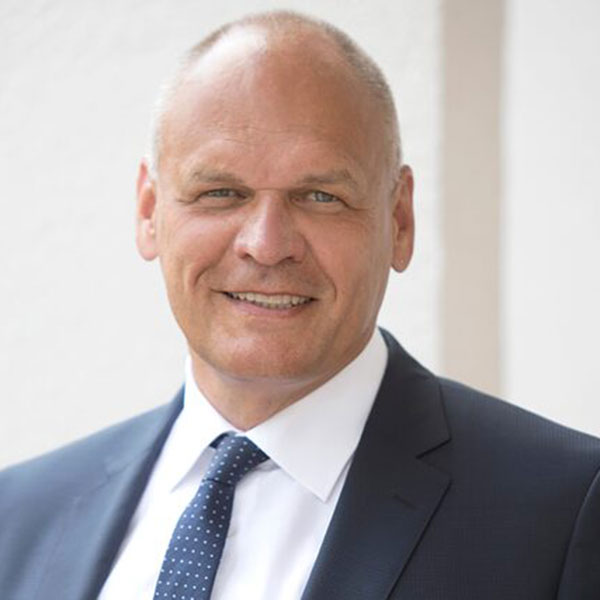
Johannes Ebert, General Secretary, Goethe-Institut e.V. |
| 10:15-10:45 | Coffee Break |
| 10:45-11:40 |
THE VALUE of HUMAN CREATIVITY in DISRUPTIVE TIMES Panel discussion I Livestreamed In a time shaped by continuous technological, social, ecological, and political change, the value of human creativity is both increasingly visible and increasingly contested. This panel explores why human creativity matters at a social, cultural, and democratic level, and how communities, policies and ecosystems can better support it.
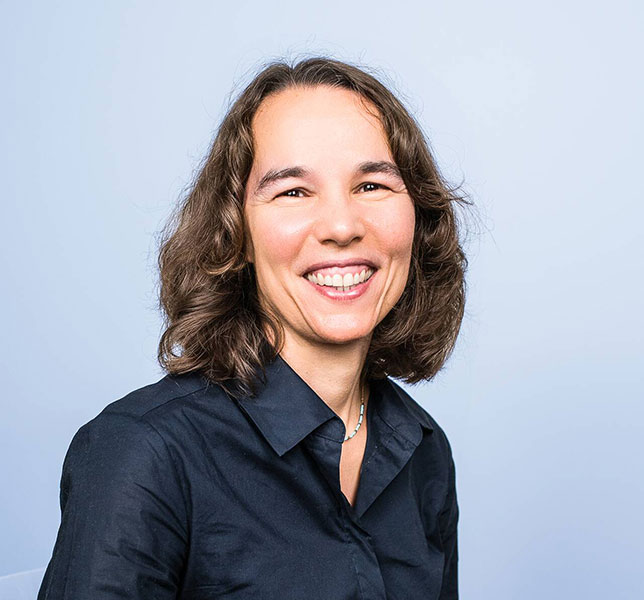
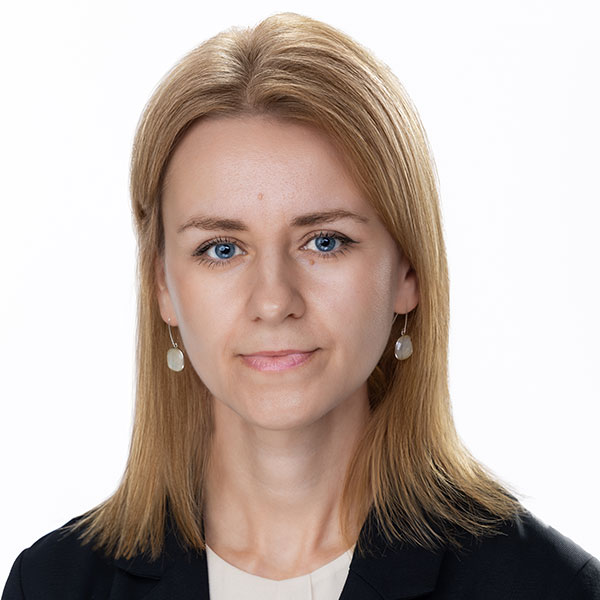
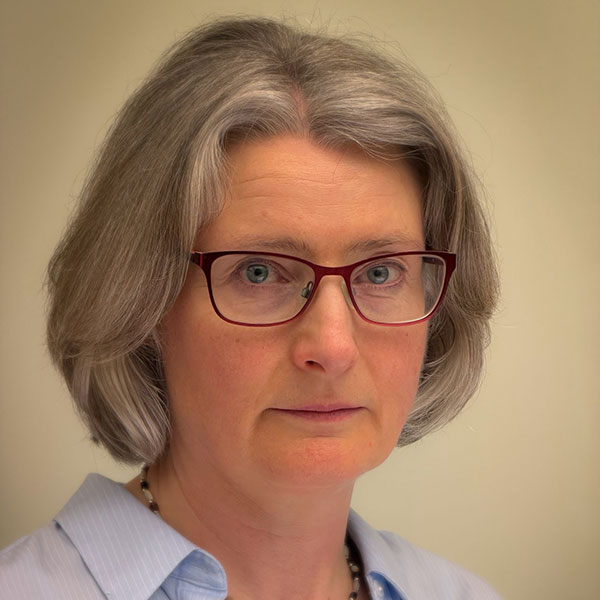
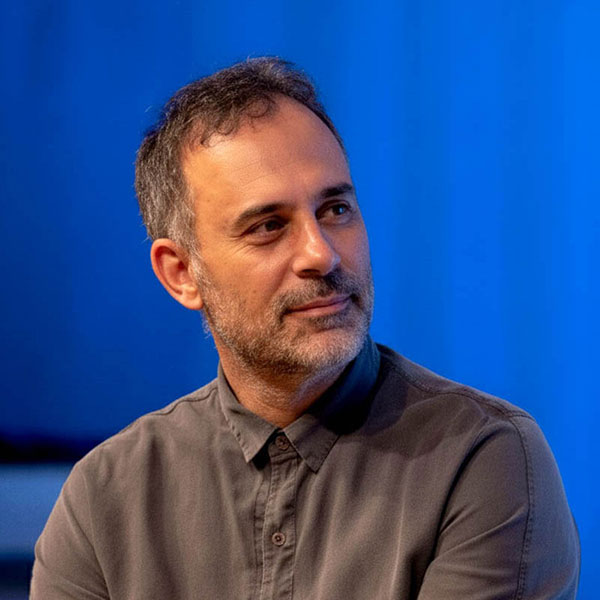
Daryna Zhyvohliadova, Cultural Relations Researcher, Cultural Heritage Advisor, Project Coordinator at KU Leuven, Ukraine/Belgium Moderation: Elena Polivtseva, Independent Researcher, Co-founder of Culture Policy Room |
| 11:40-12:25 |
FLIP CREATED I Together towards Resilient Creative Futures Isabelle De Voldere, Senior Expert Innovation & Competitiveness, IDEA Consult |
| 12:25-12:30 |
GET to know LA TRICOTERIE Livestreamed |
| 12:30-13:30 | Lunch Break |
| 13:30-14:00 |
INSPIRATIONAL TALK I Culture Drives the Future of the Nordics Livestreamed
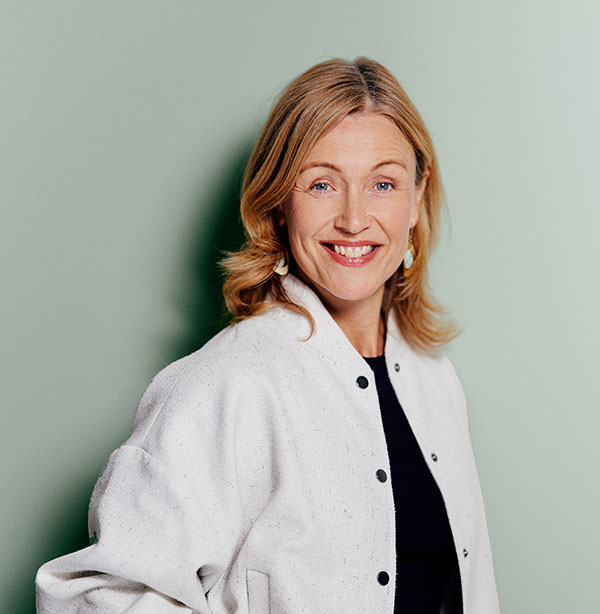
Kristin Danielsen, CEO, Nordic Culture Fund |
| 14:00-15:30 |
PARALLEL SESSIONS (further details below) The afternoon will be shaped by interactive workshops that dive into Creative FLIP's key areas: Finance, Learning, Working Conditions, Cross-Sectoral Collaborations, Transformation Policies and Intellectual Property Rights.
|
| 15:30-16:00 | Coffee Break |
| 16:00-17:10 |
IMAGINING THE FUTURE of CULTURAL POLICY TOGETHER Panel Discussion incl. Q&A I Livestreamed How can cultural policy respond to today's complex challenges? This panel invites policymakers and stakeholders to reflect on what cultural policy needs to become. Through shared perspectives and open dialogue, the discussion explores why cross-policy collaboration matters and how cultural policy can even better support creativity, resilience, and innovation in Europe's cultural and creative sectors.
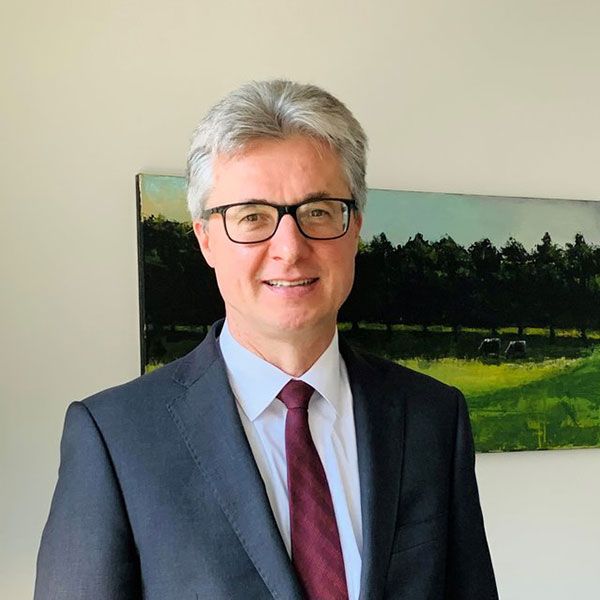
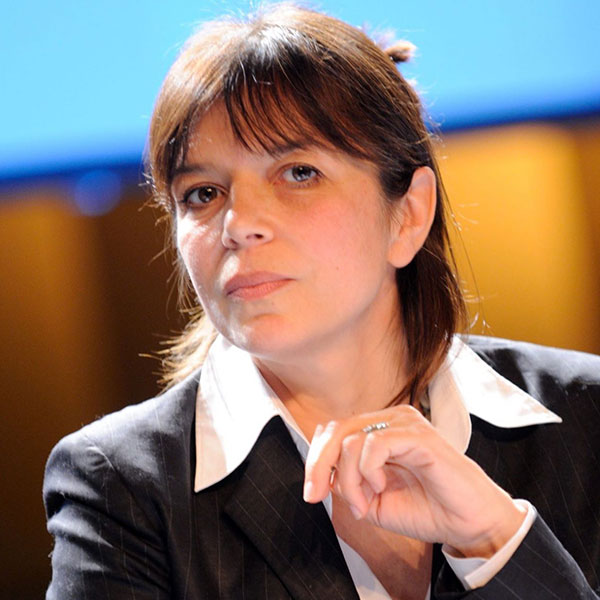
Catherine Magnant, Head of Unit, Cultural policies, DG EAC, European Commission Moderation: Vassilis Charalampidis, President of the Board, ECHN |
| 17:10-17:30 |
CONCLUSIONS Livestreamed Barbara Stacher, Senior Expert, Cultural policy, DG EAC, European Commission |
| 17:30-19:30 |
Let's FLIP a last time together! Celebration & Networking Apéro With DJ SET by Coline Cornélis |
The afternoon will be shaped by interactive workshops that dive into Creative FLIP’s key areas: Finance, Learning, Working Conditions, Cross-Sectoral Collaborations, Transformation Policies and Intellectual Property Rights.
-
Flipping Perspectives: Sharing Stories, Shaping Futures
This session focuses on practical case studies as tools for learning, exchange and capacity building in further strengthen resilience in the cultural and creative sectors. Drawing on examples developed through FLIP/Creatives Unite, participants will engage with real‑world practices and reflect on what enables cultural organisations to adapt, learn and persist across different contexts. The conversation will open into a broader exchange on how knowledge is produced, shared and absorbed in the sector, examining how case studies and peer learning can help bridge the gap between research, policy insights and day‑to‑day reality in the sector.
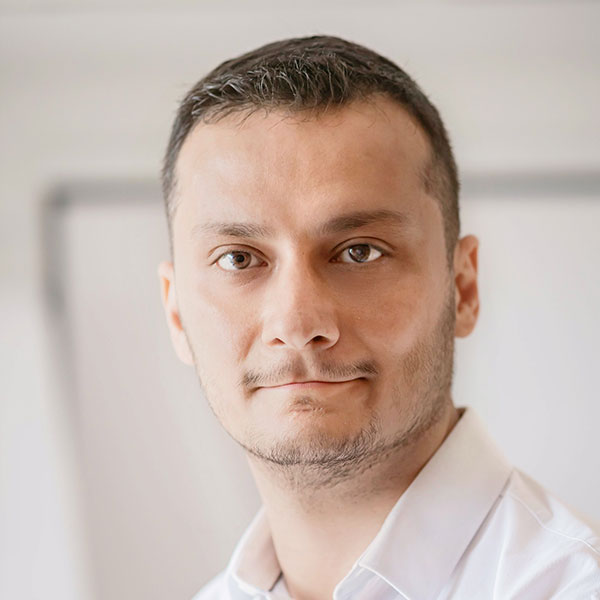
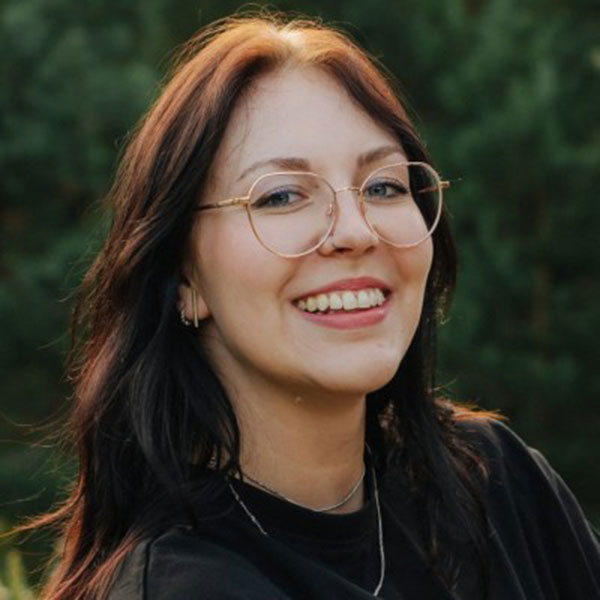
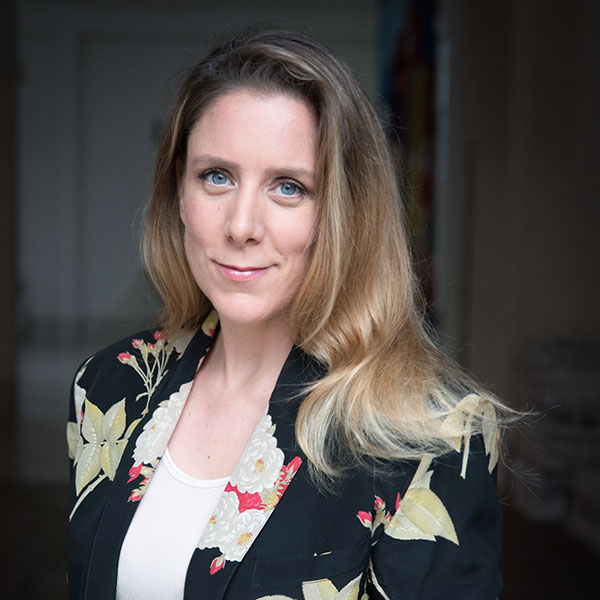
Contributors: Jason Tammemägi (Cartoon Saloon, Ireland), Rosalie Gonzalez (IN SITU, France), Pierre Sauvageot (Lieux Publics, France)
- Platforming Culture: Reimagining the Role of Creative Hubs in Times of Uncertainty
Creative hubs are more than spaces, they are platforms for exchange, resilience, and transformation for the creative and cultural sectors. This session brings together hub managers from diverse niches - including fashion, maker spaces and rural innovation - to reflect on how hubs operate in both stable and crisis contexts.
The discussion will examine governance models, resource-sharing practices, and community engagement, highlighting how resilience is built and sustained across sectors. It aims to surface new perspectives on how cultural platforms can evolve to meet ongoing challenges.
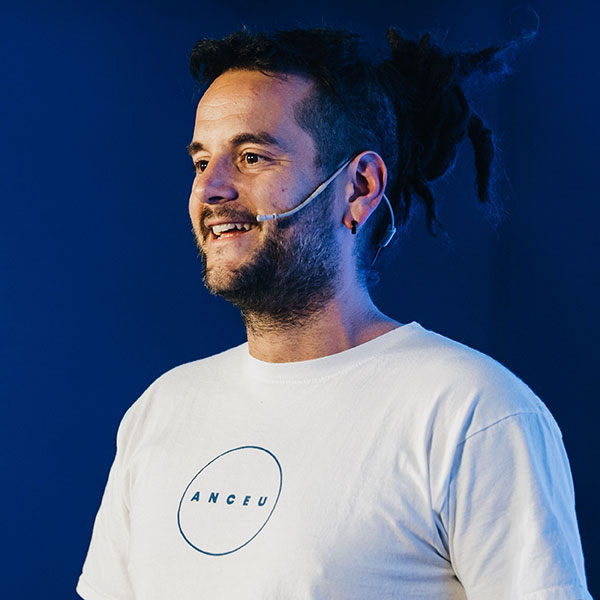
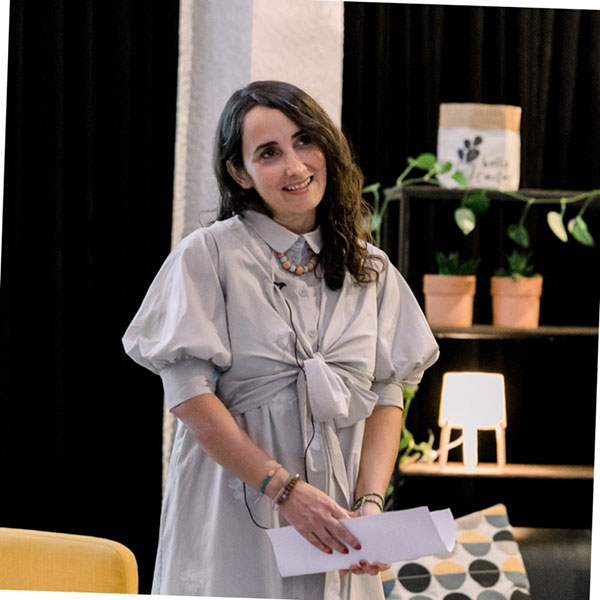
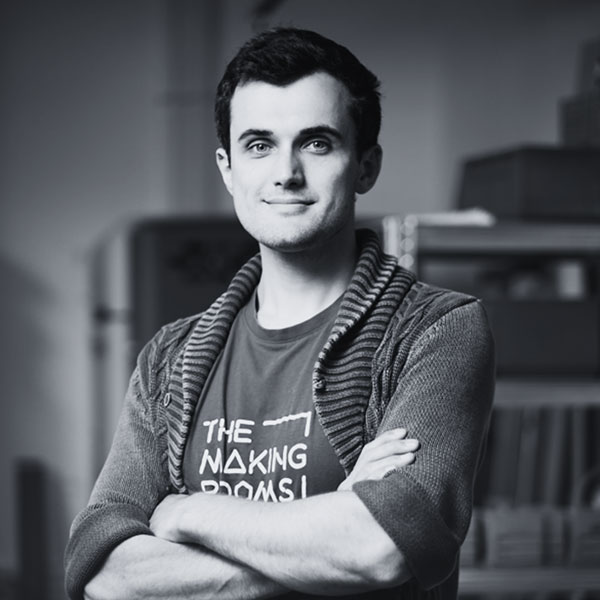
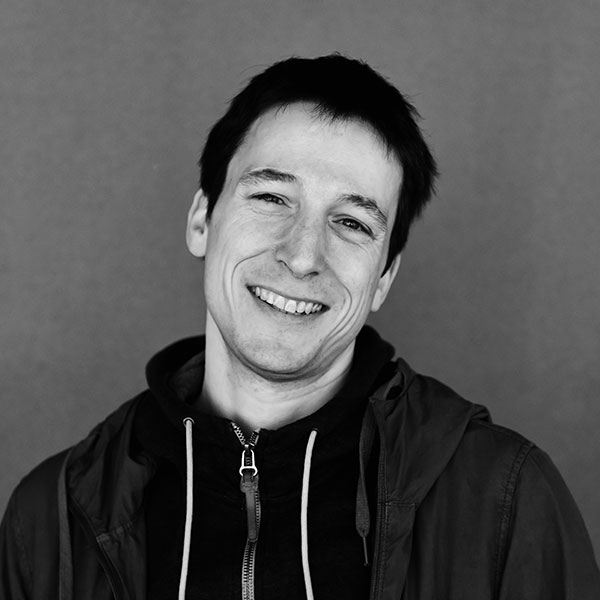
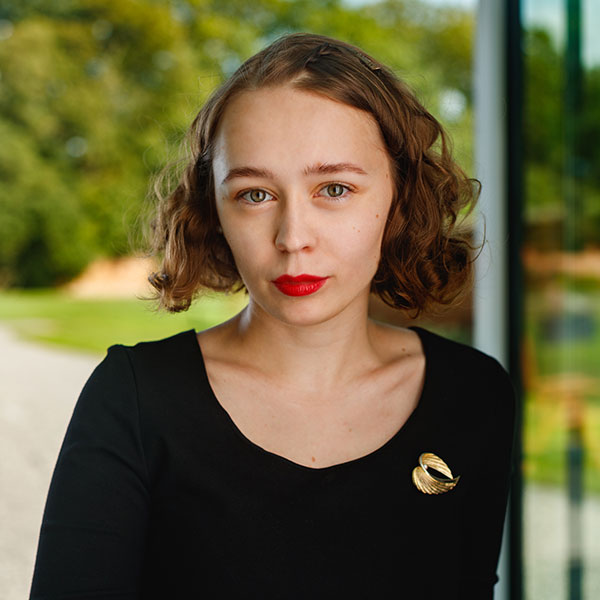
Contributors: Tessa Moroder (Lottozero, Italy), Agustin Jamardo (Anceu, Spain), Esra Gonen (Originn, Turkey), Thomas Macpherson-Pope (The Making Rooms, UK), Relja Bobić (Nova Iskra, Serbia)
Facilitation: Vassilis Charalampidis, President of the Board, ECHN
-
Shaping an EU Artists Charter: A Sector Consultation
This consultation workshop invites participants to help shape what a future EU Artists Charter could look like, within the framework of the European Commission’s Culture Compass. Building on selected examples of fair practice and working conditions initiatives from across Europe as starting point, the session will explore what lessons can be drawn and adapted at EU level. Through an open and participatory exchange, participants will be invited to share their perspectives on which topics the Charter could address, how it could be effectively implemented, and how it can be meaningfully owned by artists and the wider cultural and creative sectors.
Contributors: Astrid Weij (Kunsten'92, Netherlands), Keith Thompson (Arts Council, Ireland), Luiza Moroz (Culture Action Europe, Belgium), Sine Tofte Hannibal (Danish Composers Society, Denmark), Barbara Stacher (European Commission, DG EAC)
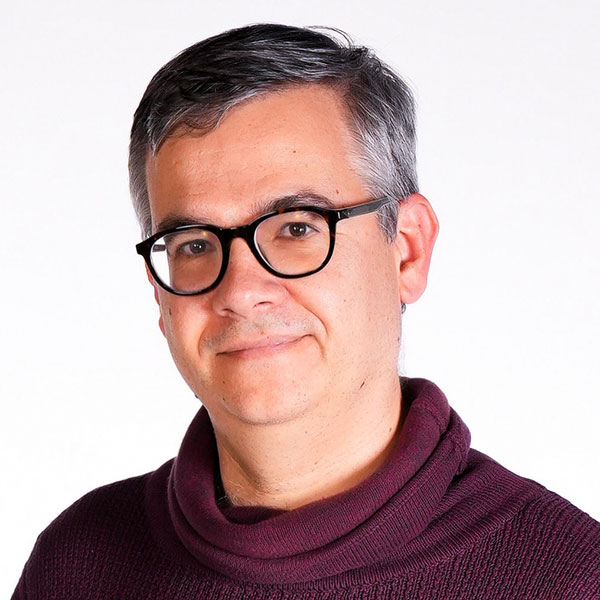
Facilitation: Joost Heinsius, Senior Expert on Finance & Working Conditions in the CCS , Elena Polivtseva, Independent Researcher, Co-founder of Culture Policy Room
-
Exploring CCS policy options in view of AI
AI is already transforming how cultural and creative sectors operate, bringing both new opportunities and challenges. This workshop explores how CCS ecosystems, governance frameworks and policies can adapt to different AI contexts in order to safeguard creators while enabling responsible innovation. Drawing on policy papers and research from the European Commission, Member States, UNESCO and Creative FLIP, participants will discuss concrete policy options and reflect on how forward‑looking regulation can strengthen the CCS in an AI‑driven future.
Contributors: María Iglesias (European Commission, DG EAC), Heritiana Ranaivoson (Research Professor in the Media Economic & Policy Unit, VUB), Jordi Baltà Portolés (Researcher, consultant & trainer in cultural policies, international relations and sustainability), Mathieu Szeradzki (French Ministry of Culture), Steven MacKay (Arroze Studios & Coordinator of Reset! Working Group on Digital Ethics)
-
Learning Lab on Sustainable Fashion
Flipping fantastic patched by Creative Spark (max. 10 participants)
This hands‑on workshop invites participants to creatively explore repair and personalisation through fabric. Using screen printing, embroidery and fabric markers, participants will create a personalised fabric patch featuring the FLIP logo, which can later be used to mend clothes or customise an accessory.
Facilitation: Gráinne Murphy and Oscar Díaz from Creative Spark in Dundalk, Ireland
Upcycling & Natural Dyeing by WOUW Studio (max. 10 participants)
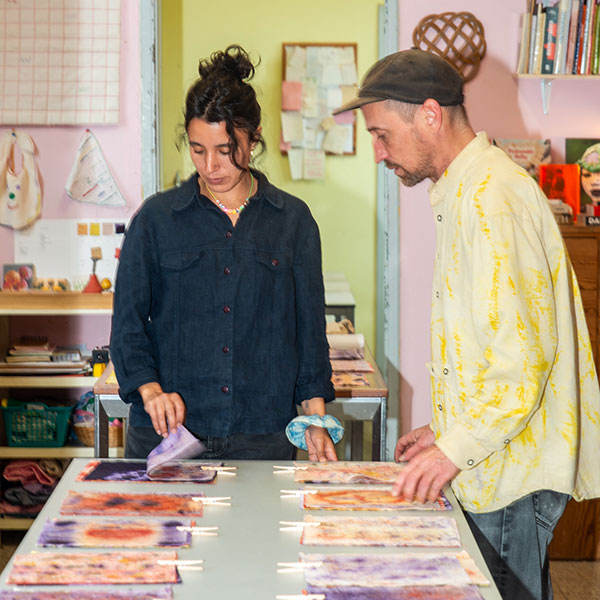
In this hands‑on workshop, participants explore circular textile practices through natural dyeing and upcycling. Using steam and dye plants, textile waste furoshiki cloths are transformed into unique patterns, while a second cloth is screen‑printed with natural dyes during the steaming process. Blending traditional techniques with contemporary experimentation, the workshop offers practical skills and insights into sustainable, circular textile chains.
Facilitation: Kasper Kerkhoffs and Jolinde Deprez from Studio WOUW in Ghent, Belgium
Learn more about Creative FLIP’s Learning Labs
-
Ekip Policy Lab on Finance
The ekip Community Review session focuses on innovative financing and funding mechanisms for the Cultural and Creative Industries, addressing the persistent gap between their societal value and access to finance. Bringing together policymakers, practitioners, researchers, and financial actors, the session aims to validate and further develop ideas generated in previous stages, while exploring key challenges such as fragmented funding systems and reliance on short-term support. Through interactive exchange, participants will co-create actionable policy insights to support more inclusive, sustainable, and innovation-driven funding ecosystems for CCIs.
Read more about the ekip innovation policy platform: https://ekipengine.eu/
Contributors: Lennart Stoy (Technopolis Brussels, Belgium), Kelly Hazejager (Beeld en Geluid, Netherlands), Kristiina Urb (Creativity Lab, Estonia), Agnieszka Drzewoska (DG EAC)
Facilitation: Jorma Sarv, Partner and Board Member, Creativity Lab, Estonia

Venue: La Tricoterie
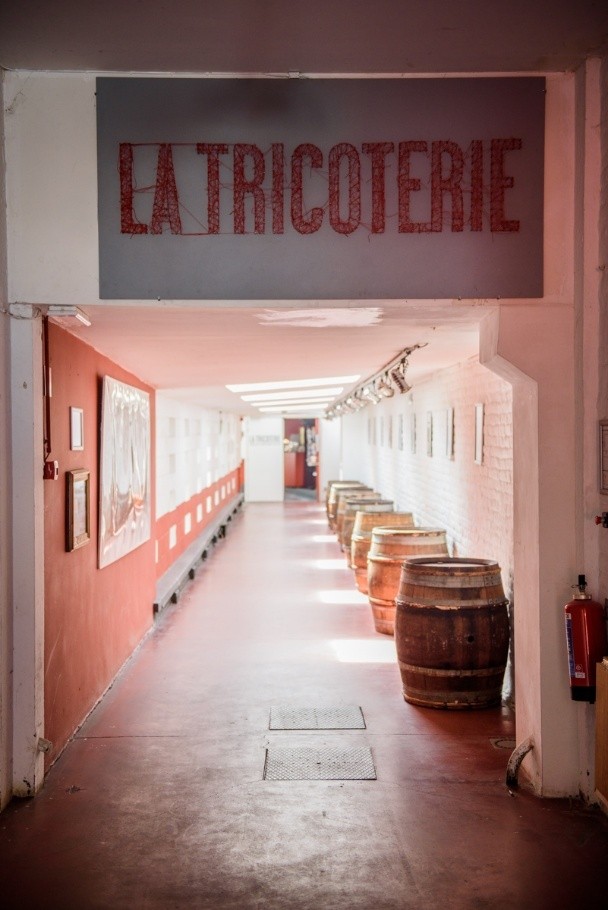 La
Tricoterie is a 1,600-square-meter cultural and event venue founded in 2010 by local residents who
wanted to change the world by bringing a dream to life: to create a unique space focused on culture,
community engagement, and sustainability. Today, the venue hosts numerous cultural activities at the
heart of Saint Gilles, such as concerts, film screenings, artistic performances etc. Its spaces are
also available for rent. Its professional services include artisanal and locally sourced cuisine. La
Tricoterie is commited to a sustainable approach environmentally (solar panels, local and organic
products, zero waste workshops, etc.), socially (integration into the neighbourhood, promotion of
local artists, internal democracy, etc.), and economically (cooperative model, integration into the
local economy, etc.). You can find out more about them here.
La
Tricoterie is a 1,600-square-meter cultural and event venue founded in 2010 by local residents who
wanted to change the world by bringing a dream to life: to create a unique space focused on culture,
community engagement, and sustainability. Today, the venue hosts numerous cultural activities at the
heart of Saint Gilles, such as concerts, film screenings, artistic performances etc. Its spaces are
also available for rent. Its professional services include artisanal and locally sourced cuisine. La
Tricoterie is commited to a sustainable approach environmentally (solar panels, local and organic
products, zero waste workshops, etc.), socially (integration into the neighbourhood, promotion of
local artists, internal democracy, etc.), and economically (cooperative model, integration into the
local economy, etc.). You can find out more about them here.
How to get to La Tricoterie?
La Tricoterie is easily
accessible by public transport:
TRAIN: Brussels-Midi station (10 minutes walk or Tram 81)
METRO: 3-4-2-6 - Stop "Porte de Hal" (5 minutes walk)
TRAM: 81 - Stop "Bethlehem", in front of the Tricoterie
BUS: 49-50-32 - Stop "Avenue du Roi"
La Tricoterie also has a bicycle parking area located in front. Another bicycle parking area, as
well as a VILLO station, are located in Bethlehem Square (1 minute walk).
Please note that photos and videos will be taken throughout the conference, and parts of the event will be livestreamed. The visual material may be used by the Creative FLIP consortium and its partners for communication and documentation purposes, including on websites, social media, printed materials, and reports related to the project
By attending the event, participants acknowledge that they may appear in these recordings or images. If you prefer not to be photographed or filmed, please inform Creative FLIP via e-mail (creativeflip@goethe.de) so we can accommodate your request whenever possible.
Parts of the conference will be livestreamed on the Goethe-Institut Brussels YouTube channel. Those parts are indicated on the conference agenda. No registration is needed for the livestream!
The FAQ section will continuously be updated during the registration period.
Will the conference be livestreamed?
Partly. We will livestream certain parts of the conference. Please have a look at the programme
to find out which sessions will be livestreamed.
What is the language of the conference?
English.
Will there be catering? What food options are provided?
We offer a full-vegetarian catering (incl. vegan options) during the duration of the conference.
As part of the registration process, we will ask for food allergies or intolerances.
The project is led by the Goethe‑Institut Brussels in partnership with the European Creative Hubs Network, IDEA Consult, and the Intellectual Property Institute Luxembourg, and supported by associate partners Culture Action Europe and the European Network of Cultural Centres.
Should you have any additional questions concerning this event, please contact us by email: CreativeFLIP@goethe.de


